Tule Springs Fossil Beds National Monument
A brand-new national monument on the Las Vegas edge — 22,650 acres of Pleistocene fossil ground where Columbian mammoths, camels and dire wolves roamed 12,000 years ago.
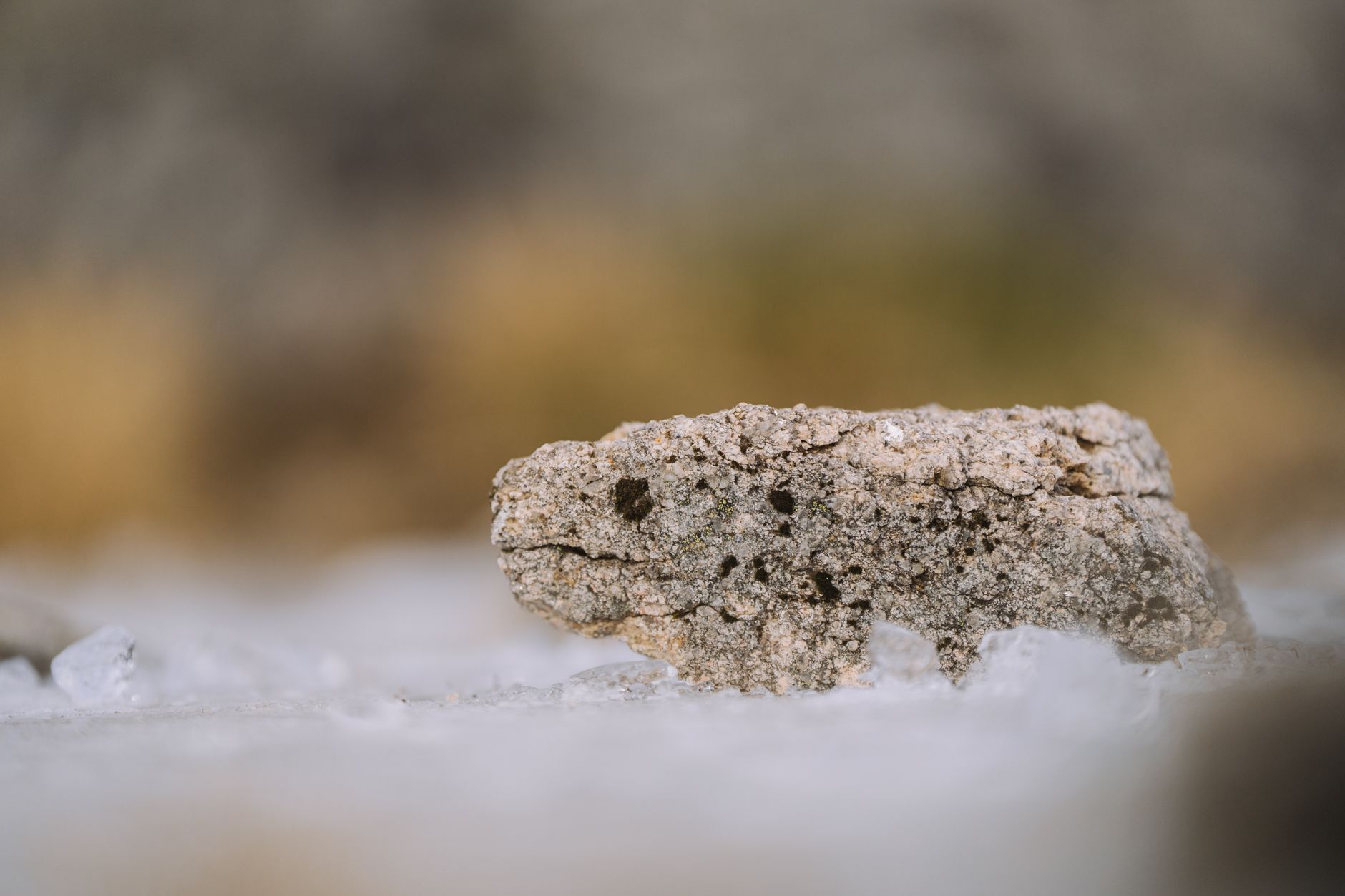
Tule Springs became a national monument in 2014, the newest in the National Park Service system and one of the most improbable — it sits directly against North Las Vegas's suburbs, a strip mall on one side and a Pleistocene bone bed on the other. Between 100,000 and 7,000 years ago this was a lush wetland fed by springs from the Sheep Range, and Columbian mammoths, American lions, dire wolves, camelops and ground sloths came here to drink. Their bones are still eroding out of the pale mudstone today. It's the world's most urban Ice Age site.
Because the monument is so young, facilities are minimal — no visitor center has been built. The main access is the Aliante Parkway trailhead in the north Las Vegas suburbs, where an interpretive kiosk explains the fossils and a network of unmaintained paths crosses the badlands. Fossils are visible but must not be touched or collected — federal law makes it a crime. The Las Vegas Natural History Museum downtown displays the finest specimens dug from Tule Springs, and NPS ranger-led hikes run monthly October through April; check nps.gov/tusk for dates.
This is a monument for people who love empty space and geology, not amenities. Bring water, a hat, sturdy shoes and a paper map — cell service works but the terrain is bewildering. October to April only; summer here is brutal. Combine with the Las Vegas Natural History Museum (12 miles south) to see the fossils displayed. Skip if you have kids under 10 without ranger-led activities. The Aliante Casino across the street has decent lunch options after a hike.
Hours & entry
Always free
Monument open 24 hours daily · Trailheads sunrise to sunset · No visitor center yet — kiosk at Aliante Parkway trailhead
What to see
- Aliante Parkway trailhead interpretive kiosk — End of Aliante Parkway north of Elkhorn Road, North Las Vegas
- Fossil-bearing mudstone exposures — Approximately 1 mile north-west of the Aliante trailhead in the badlands
- Views south to the Strip skyline from monument ridges — High ground half a mile east of the trailhead
Tips from the ground
- Check the NPS Tule Springs page for monthly ranger-led fossil walks — the only way to see the best sites with expert interpretation.
- Pair the visit with the Las Vegas Natural History Museum on Las Vegas Boulevard North to see the actual bones displayed.
- Do not touch anything that looks like bone — report any newly exposed fossils to NPS at (702) 293-8853.
Good to know
Questions, answered
How much does it cost?
Completely free. No entrance fee, no parking fee.
Are there free days?
Every day is free.
How long should I plan?
2-3 hours for a self-guided walk. Half a day if you join a ranger-led hike.
When is it closed?
Open every day sunrise to sunset. No seasonal closures.
Do I need to book?
Self-guided walks are walk-up. Ranger-led programmes require pre-registration via the NPS Tule Springs website when scheduled.
How do I get there?
20 miles north of the Strip: US-95 north to Aliante Parkway exit, then 3 miles north to the trailhead. About 30 minutes' drive. No public transit.
Doing good is the business: every booking through Stay Nevada funds one verified tonne of carbon removal — same room, same price, no markup.
Search stays